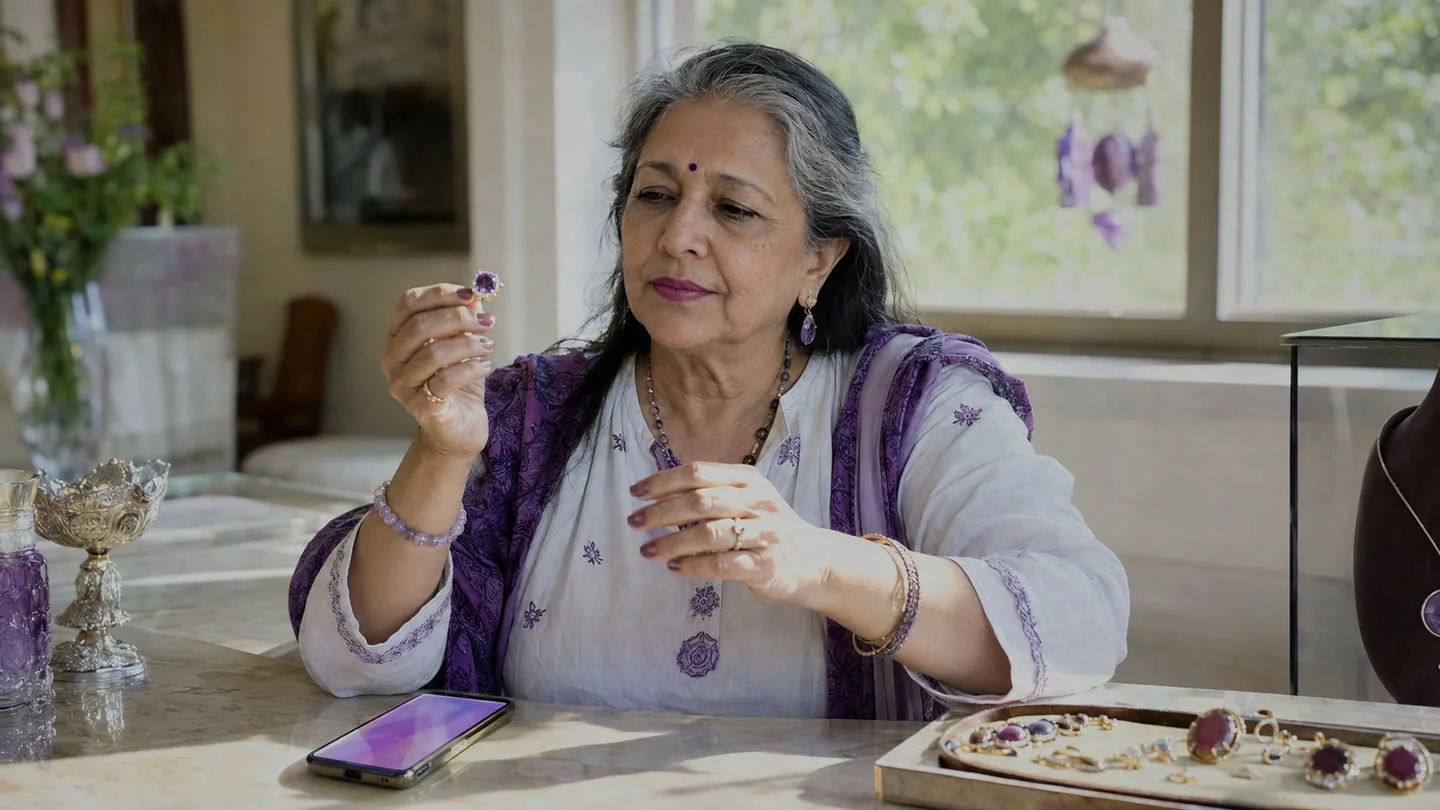
A gemstone's origin can significantly impact its value, sometimes more than its physical qualities. Understanding where gemstones come from and how origin affects quality helps you make informed purchasing decisions.
Why Origin Matters
Certain geographic locations produce gemstones with unique characteristics due to specific geological conditions. These location-specific traits become associated with quality, creating market premiums for stones from prestigious origins.
Famous Gemstone Origins
Kashmir Sapphires (India)
Kashmir sapphires are the world's most valuable, known for their velvety "cornflower blue" color with a distinctive sleepy or milky quality. Discovered in 1881 in the Himalayas, the main deposit was largely exhausted by 1930.
- Characteristic: Velvety, cornflower blue
- Premium: 2-5x other origins
- Status: Extremely rare, mostly antique
Burmese (Myanmar) Rubies
The Mogok Valley in Myanmar produces the world's finest rubies, prized for their "pigeon blood" red - a pure red with slight blue fluorescence. Burmese rubies command the highest premiums.
- Characteristic: Pigeon blood red, strong fluorescence
- Premium: 3-10x other origins
- Note: US import restrictions on Myanmar gems
Colombian Emeralds
Colombia produces 70-90% of the world's emeralds. The Muzo, Chivor, and Coscuez mines yield emeralds with a unique "Gota de Aceite" (drop of oil) effect and warm, slightly yellowish green color.
- Characteristic: Warm green, "jardin" inclusions
- Premium: 50-100% over Zambian
- Competition: Zambian emeralds (cooler, bluer green)
Sri Lankan (Ceylon) Gemstones
Sri Lanka, known as "Ratna Dweepa" (Isle of Gems), produces exceptional sapphires, rubies, alexandrites, and many other gemstones. Ceylon sapphires are famous for their light, bright blue color.
- Famous for: Blue sapphires, padparadscha
- Characteristic: Lighter, brighter colors
- Padparadscha: Rare pink-orange sapphire unique to Ceylon
Major Origins by Gemstone
| Gemstone | Premium Origins | Other Major Sources |
|---|---|---|
| Ruby | Myanmar (Burma) | Mozambique, Thailand, Madagascar |
| Sapphire | Kashmir, Ceylon, Myanmar | Madagascar, Thailand, Australia |
| Emerald | Colombia | Zambia, Brazil, Ethiopia |
| Diamond | No origin premium* | Botswana, Russia, Canada, Australia |
| Pearl | Japan (Akoya), South Sea | China, Tahiti, Australia |
*Diamond value is determined entirely by 4Cs, not origin.
The 4Cs of Quality
Gemstone quality is assessed using the 4Cs framework:
1. Color
The most important factor for colored gemstones. Evaluated by:
- Hue: The basic color (red, blue, green)
- Tone: Light to dark
- Saturation: Color intensity
Ideal: Pure hue, medium tone, strong saturation (varies by gemstone).
2. Clarity
Internal and surface characteristics:
- Type I: Usually eye-clean (aquamarine, topaz)
- Type II: Usually included (ruby, sapphire)
- Type III: Almost always included (emerald)
Emerald inclusions ("jardin") are expected; ruby silk can be desirable.
3. Cut
Quality of faceting:
- Proportions and symmetry
- Polish quality
- Windowing and extinction
For colored stones, cut prioritizes color presentation over brilliance.
4. Carat Weight
1 carat = 0.2 grams. Price-per-carat increases exponentially at milestone weights (1ct, 2ct, 5ct, etc.).
Treatments and Enhancements
Most gemstones undergo some treatment. Common treatments include:
- Heat: Improves color (accepted for ruby/sapphire)
- Oil/Resin: Fills fractures (common in emerald)
- Beryllium: Color enhancement (controversial)
- Glass filling: Fills cavities (requires disclosure)
For Vedic astrology: Only natural, untreated stones are considered effective. Always verify treatment status through reputable laboratories.
Quality for Vedic Astrology
Jyotish gemstones have specific requirements:
- Natural: Must be naturally formed
- Untreated: No heat or chemical treatments
- Minimum weight: Usually 2-5 carats depending on stone
- Eye-clean preferred: Major inclusions weaken energy
- Good color: Pure, saturated hues
Origin is less important in Vedic tradition than inherent quality and authenticity.
Conclusion
Understanding gemstone origins and quality factors helps you appreciate what makes certain gems valuable and ensures you make informed choices. While prestigious origins command premiums, ultimately a gemstone's beauty and quality matter most for both aesthetic enjoyment and astrological purposes.
Always buy from reputable dealers who provide proper documentation of origin, treatment status, and quality characteristics.